Instead, what you’re trying to do is to ensure that these toxins don’t show up on your test so that you can get a negative result. Close to 20 percent of the alcohol from a single drink moves straight into the blood vessels. The rest goes to the small intestine, then directly to the bloodstream.
Health Risks of Alcohol: Problems Caused By Chronic Heavy Drinking – WebMD
Health Risks of Alcohol: Problems Caused By Chronic Heavy Drinking.
Posted: Mon, 15 May 2023 07:00:00 GMT [source]
For that reason, detoxing on your own, without any guidance or supervision, is generally not wise. The taper period varies depending on how long you’ve been using the drug and how much you’ve been taking. You should expect to gradually lower your dose over a period of several weeks or even a few months. By reducing inflammation, exercise can help your body’s systems — including its detoxification system — function properly and protect against disease. Consequently, this unhealthy shift in bacteria can weaken your immune and detoxification systems and increase your risk of disease and inflammation (46).
How to Regain Trust in a Relationship After Addiction
In the same way, if you don’t drink much, it might take up to three days to get rid of the alcohol. As hard as sleep may be to come by during detox, getting a good night’s rest is essential. The brain needs this time to recharge and also clear out waste byproducts that accumulate throughout the day. If the body doesn’t get the sleep it needs, toxins start to build up, which slows the process of flushing alcohol out of your system. If you or a loved one struggles with alcohol consumption, please contact an Ark Behavioral Health specialist.
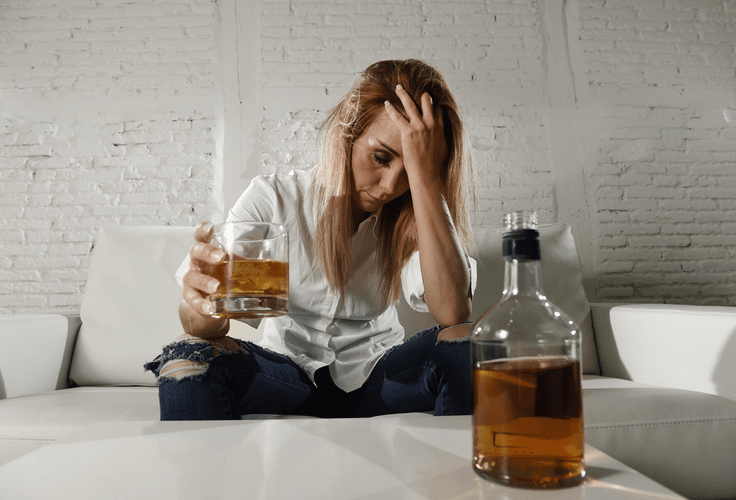
Generally, it takes about 2–3 hours for the effects of alcohol to wear off, and the alcohol to be eliminated from your system. During this time, it is important to stay hydrated by drinking water, and to make sure to get plenty of rest. Alcohol’s ability to slow down the body’s processes causes damage to your cells and major systems over time. Also, in the case of frequent or chronic drinking, the loss of appetite that results can actually cause nutrient deficiencies to develop. Eating a healthy diet goes a long way towards easing withdrawal comfort and also helps your metabolism processes work more efficiently.
Drink Lots of Fluids
It is easy to pass your alcohol test in a very short time, say 24 hours, if your consumption is ‘nil’ to ‘not frequent’. Alcohol metabolites might stay in your bladder for 12 to 48 hours after consumption, and some advanced urine tests can detect how to flush alcohol out of your system alcohol even after 80 to 90 hours. Working out does not directly flush out alcohol from your body per se, but it helps keep you healthy, active and invigorated. You will breathe easier and sweat profusely, releasing toxins naturally.
- Additionally, it is advisable for individuals who are underage, pregnant, trying to become pregnant or have a serious health condition to avoid alcohol consumption.
- Excessive alcohol intake affects eating disorder and depression.
- If you get dehydrated while exercising, the activity may have the reverse impact on you, so be sure to drink enough water.
- Your liver is responsible for breaking down the majority of alcohol in your body.
- One of those waste products is a protein called beta-amyloid, which contributes to the development of Alzheimer’s disease (13, 14).